Our Culture.
Our Identity.
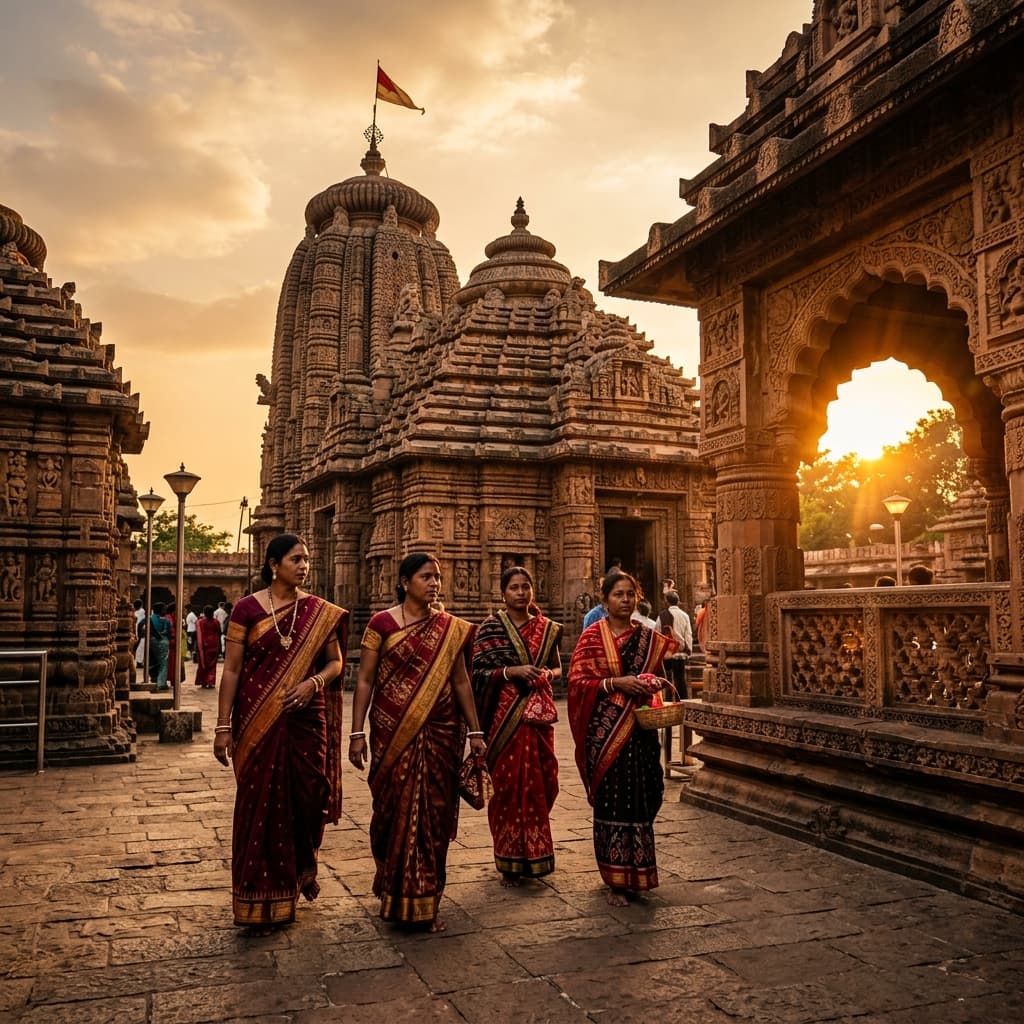
Sambalpur is not just a city — it is a living museum of festivals, folk traditions, and the ancient art of handloom weaving that has defined western Odisha for centuries.
Where Culture
Comes Alive
Nestled along the banks of the Mahanadi river, Sambalpur is the cultural heartland of western Odisha. For over five centuries, this city has been the cradle of the Sambalpuri handloom tradition — a craft so deeply woven into daily life that it is impossible to separate the saree from the culture that created it.
The presiding deity of Sambalpur is Goddess Samaleswari — and her blessings are invoked at every stage of the weaving process. The motifs on a Sambalpuri saree are not decorative choices; they are devotional acts.
Today, Sambalpur's weaving communities span the districts of Bargarh, Sonepur, Boudh, and Bolangir — each with its own regional variation of the Ikat technique, its own palette, and its own stories told in thread.
Discover Our Festivals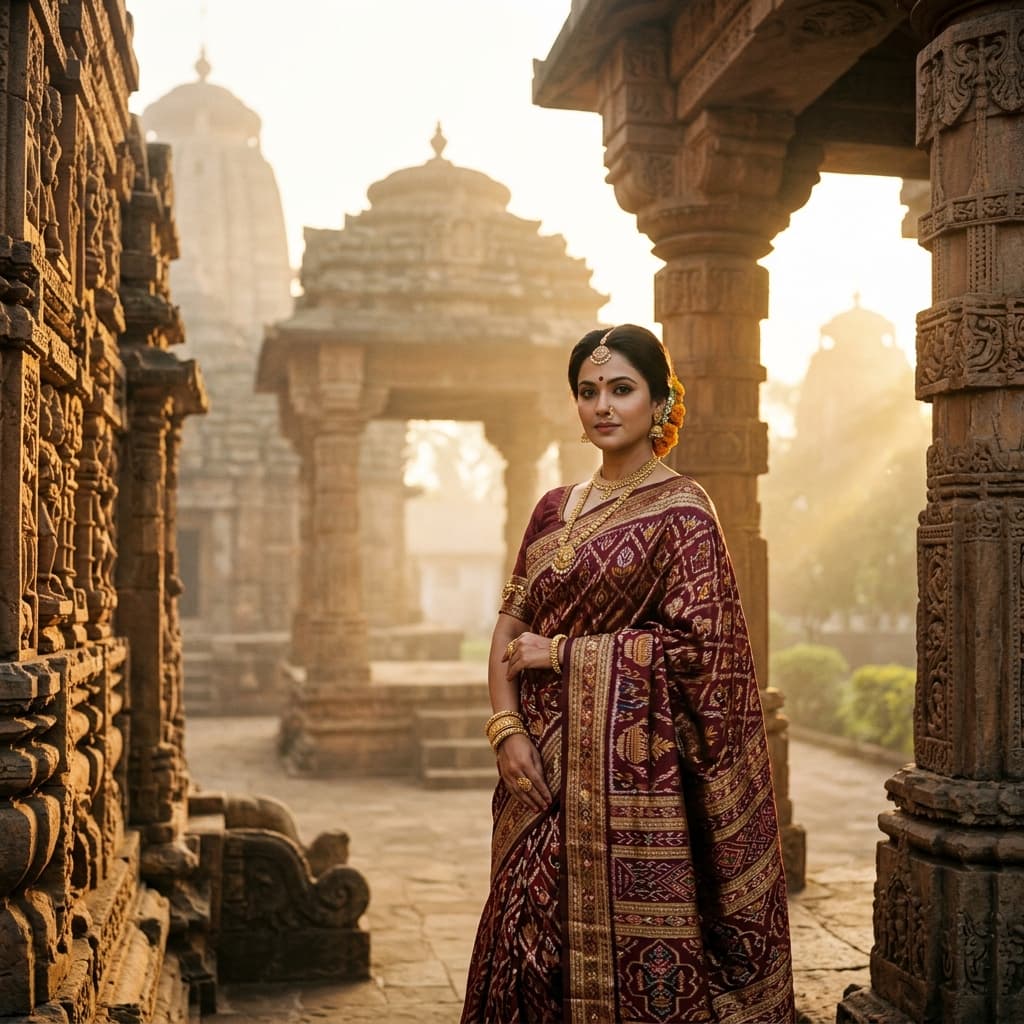
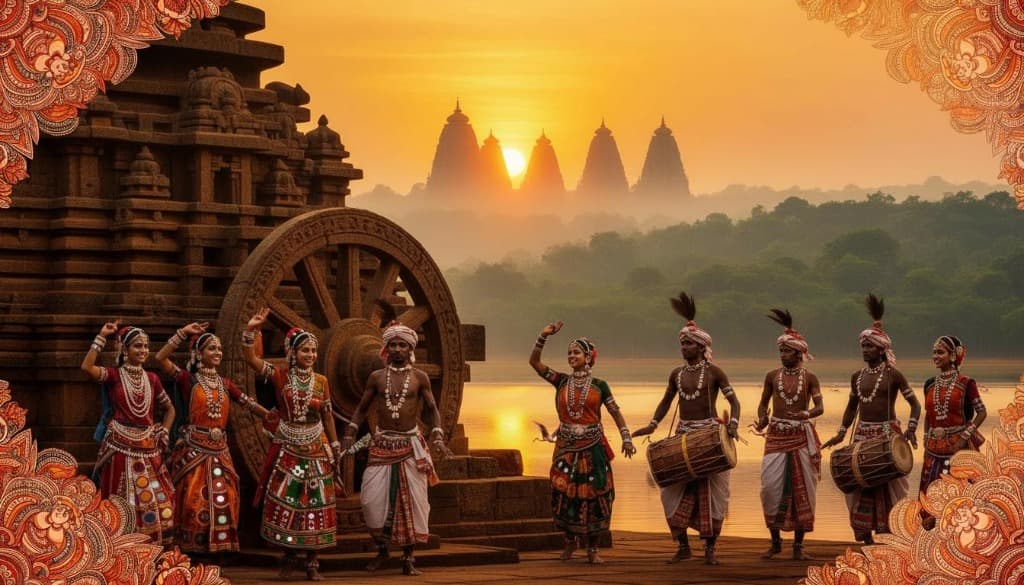
Festivals of Sambalpur
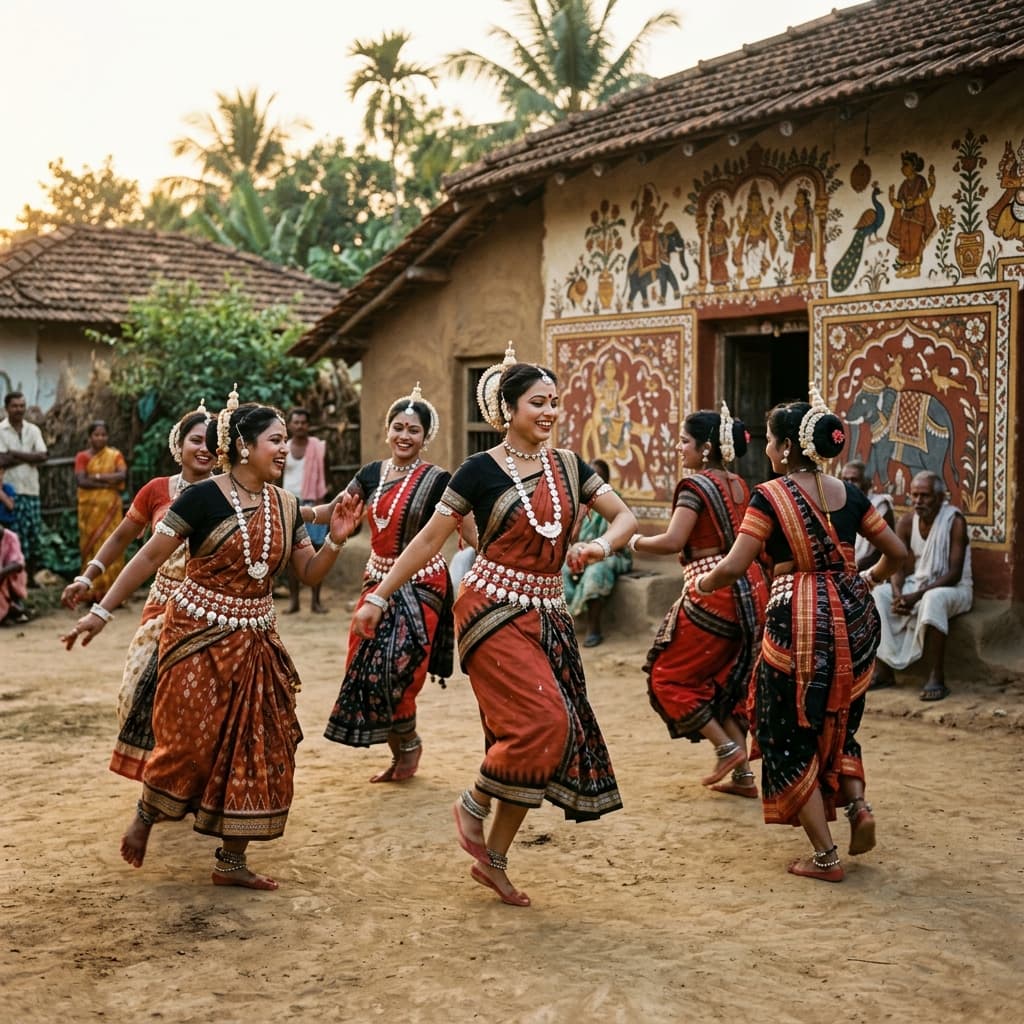
Celebrating Culture, Tradition & Togetherness. Every festival in Sambalpur is inseparable from the Sambalpuri saree — these are living expressions of a culture that has endured for centuries.
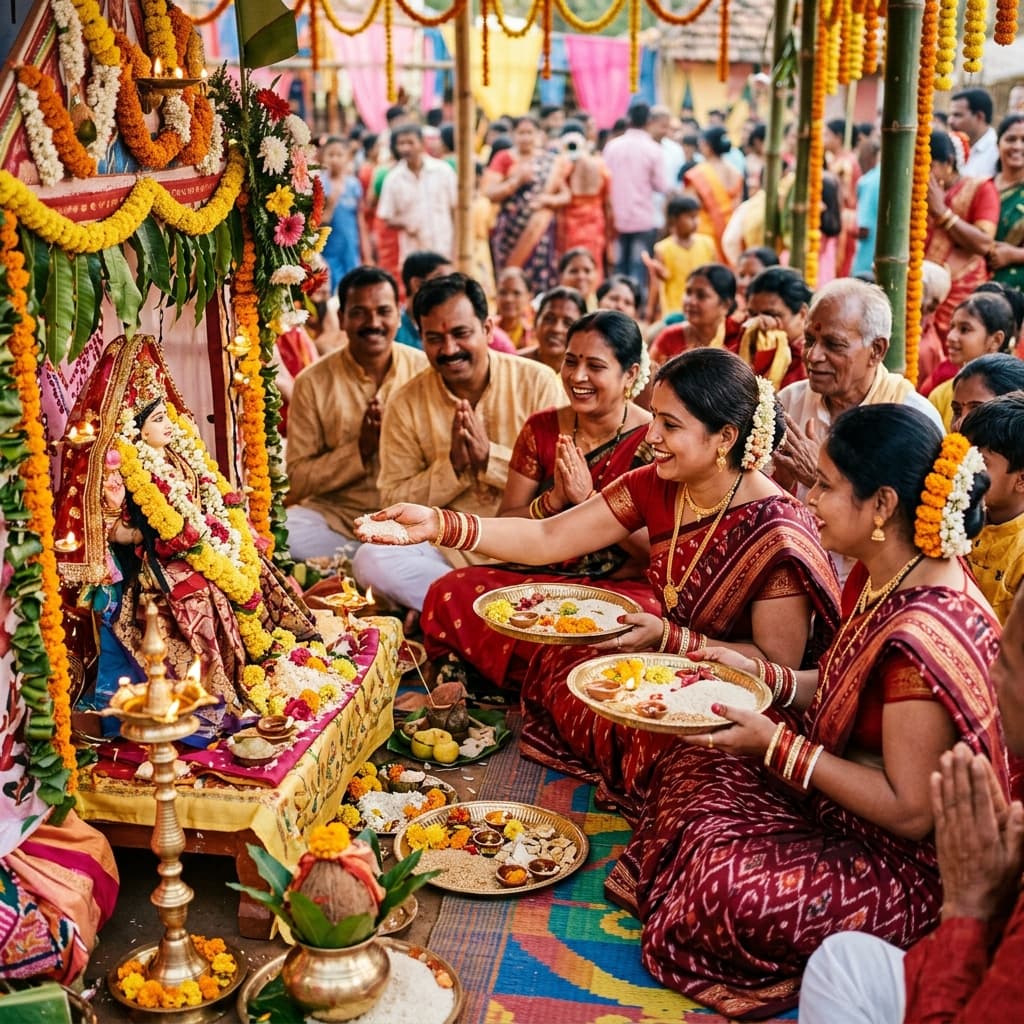
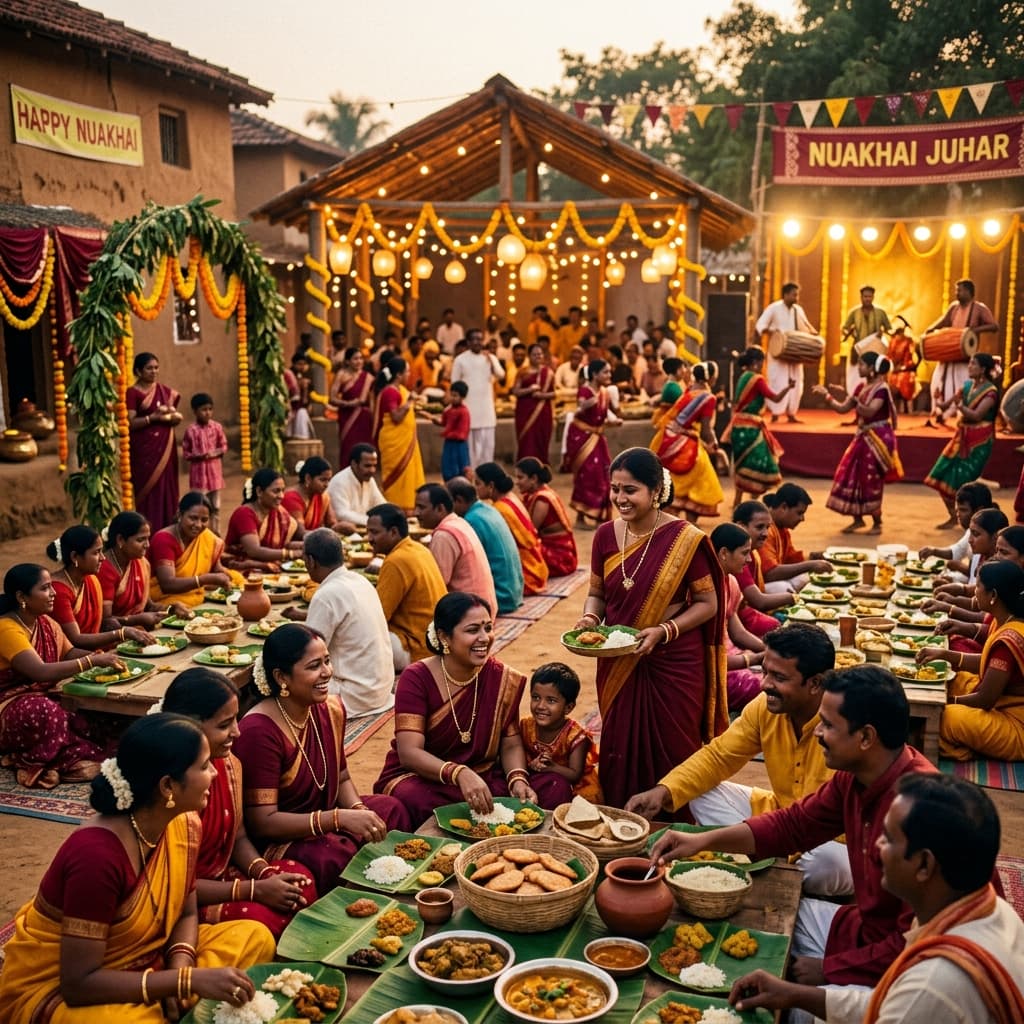
Nuakhai
Nuakhai is the most important agricultural festival of western Odisha — a celebration of our agricultural heritage, gratitude and abundance. Families gather, offer the first harvest to Goddess Samaleswari, and share a communal meal. Women wear their finest Sambalpuri sarees — the occasion is inseparable from the handloom tradition.
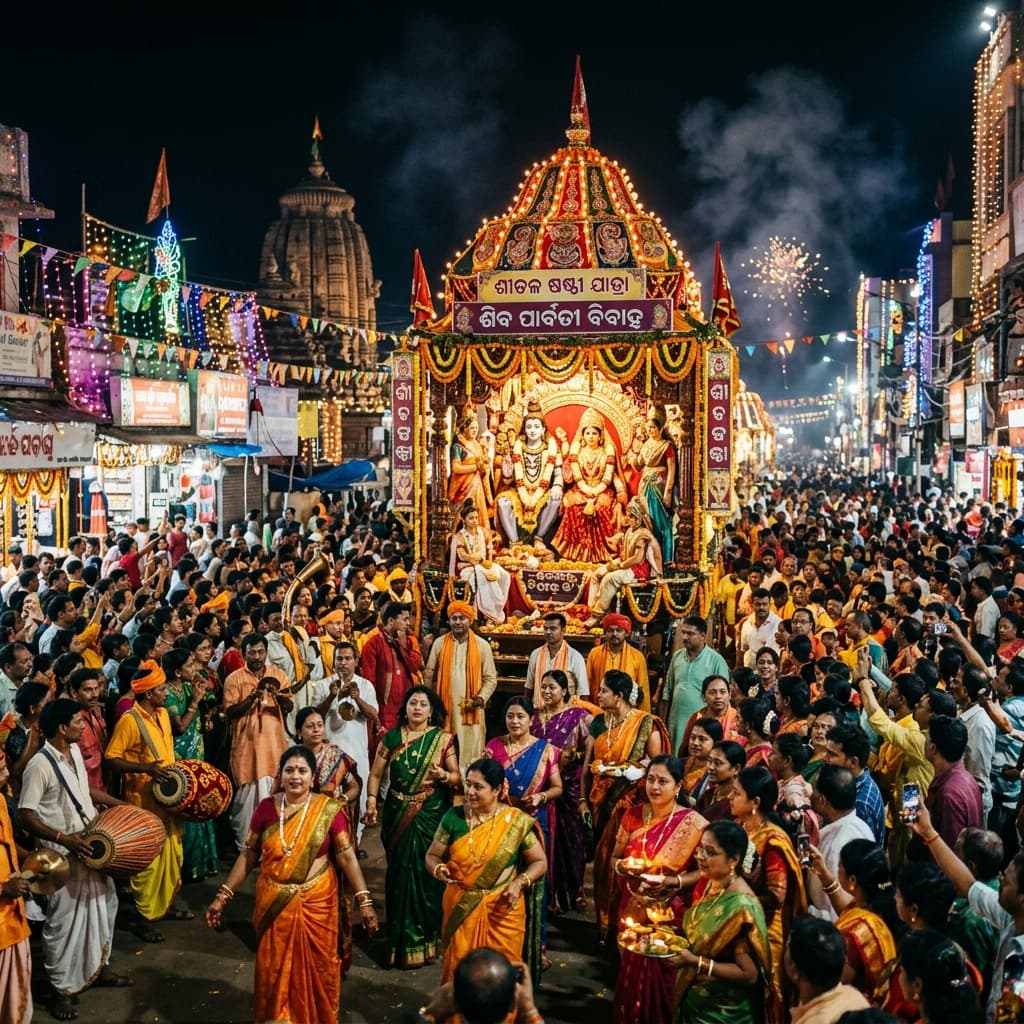
Sitalsasthi
Sitalsasthi celebrates the celestial marriage of Lord Shiva and Goddess Parvati. Sambalpur transforms into a city of processions, folk music, and elaborate tableaux. The festival is a riot of colour — and Sambalpuri silk sarees in crimson, gold, and deep blue are the defining dress of the celebration.
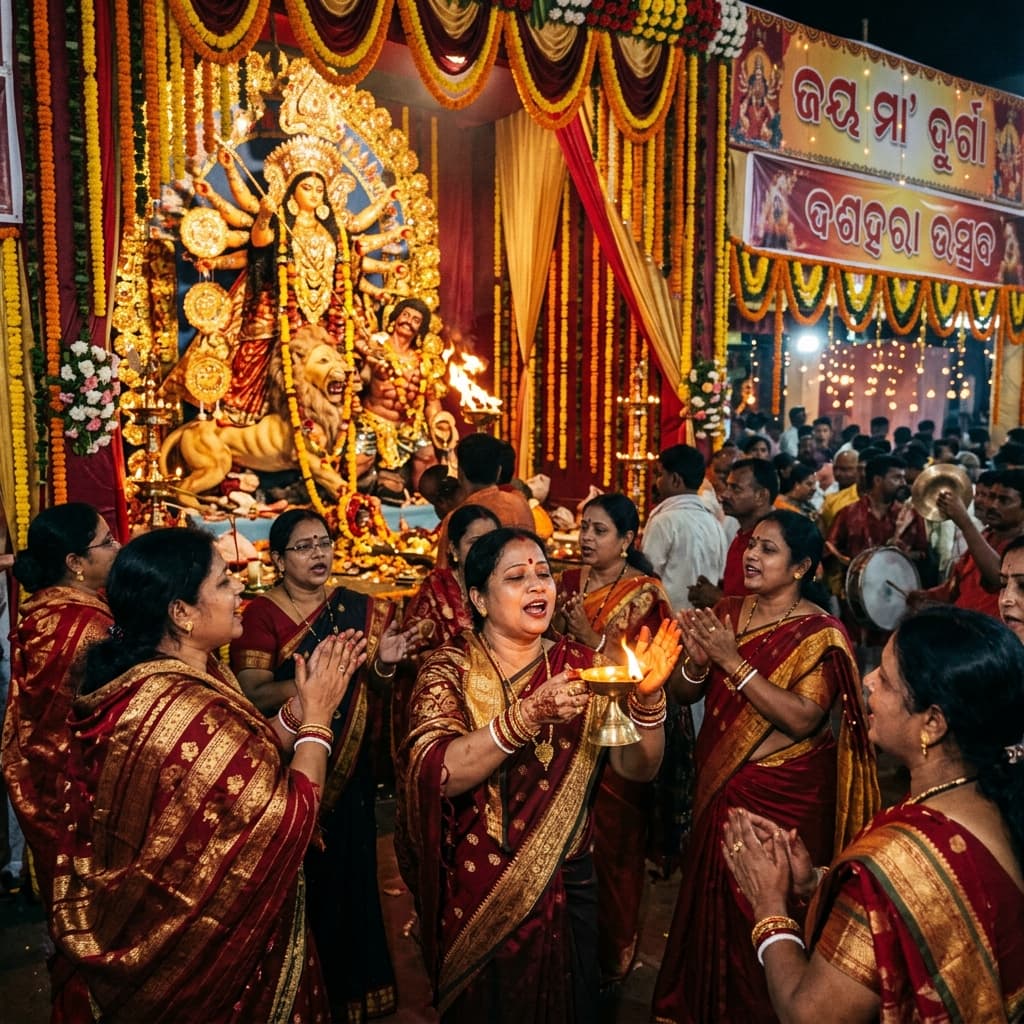
Dussehra
Dussehra in Sambalpur is celebrated with grand processions and the worship of Goddess Durga. The ten-day festival sees the city adorned with lights and the streets filled with devotees in traditional attire. Sambalpuri cotton sarees in festive colours are the preferred choice for the celebrations.
Rath Yatra
The divine journey of Lord Jagannath, Balabhadra and Subhadra — a symbol of unity and devotion. Grand chariots are pulled through the streets by thousands of devotees. The festival showcases the deep spiritual roots and communal harmony of Sambalpur's culture.
The Saree Weaving Process
A single Sambalpuri saree can take anywhere from one week to three months to complete. Each step is a meditation — a practice passed down through generations of weaving families.
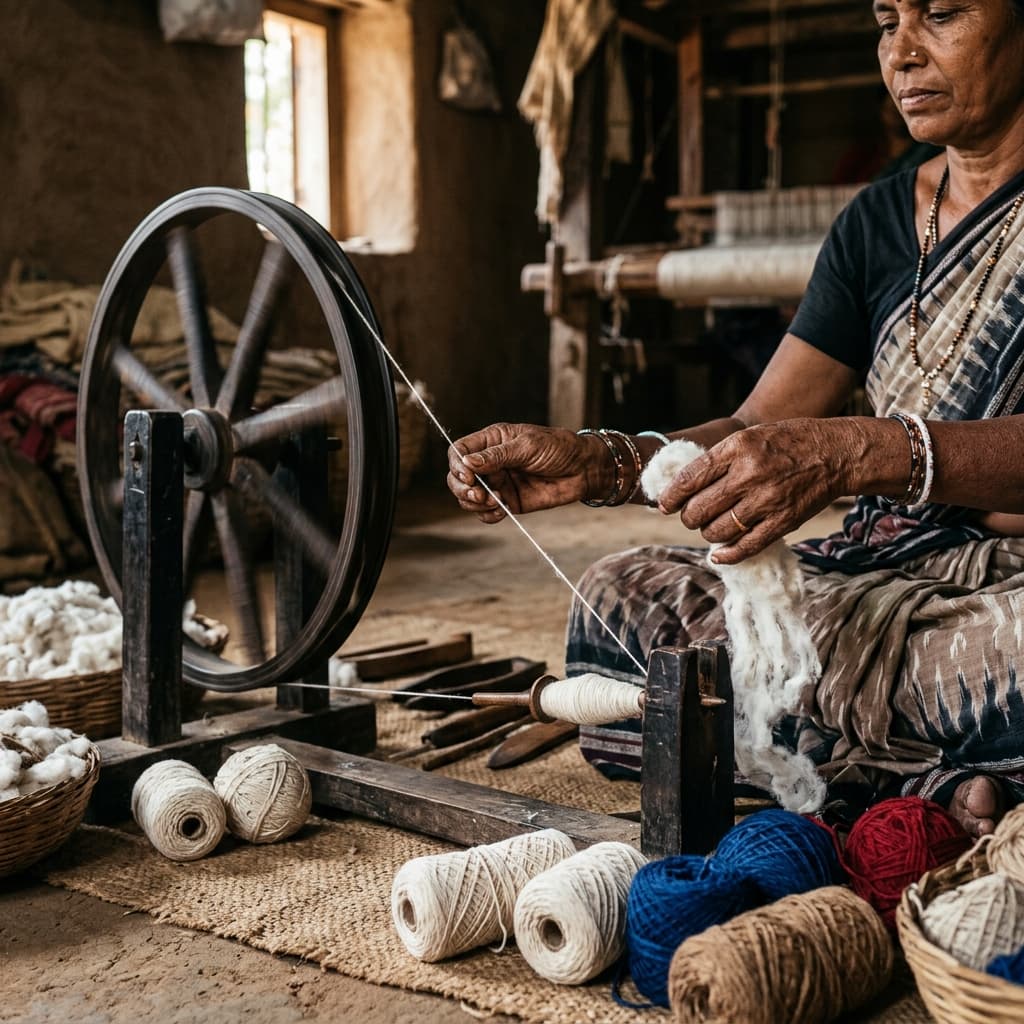
Spinning the Yarn
Transforming raw cotton into fine, strong yarn. Master weavers inspect each bundle for consistency, tensile strength, and lustre. Only the finest hand-spun cotton or Malda silk makes the cut.
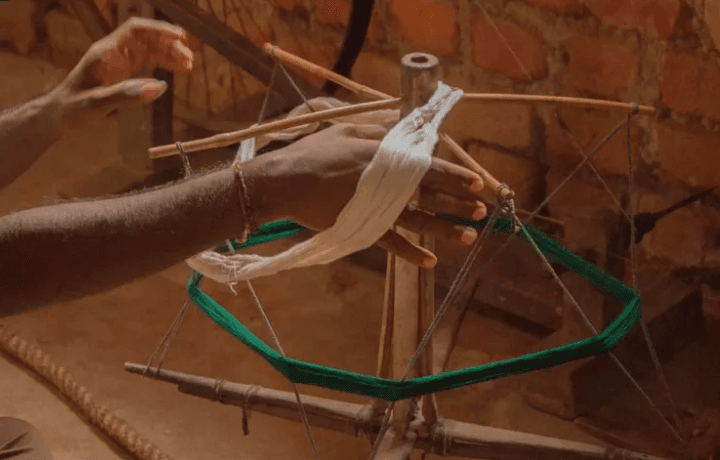
Dyeing Process
Dyeing the yarn with natural colours — indigo for blue, pomegranate rind for yellow, lac for crimson. Multiple rounds of dyeing create the rich, vibrant palette that defines Sambalpuri textiles.
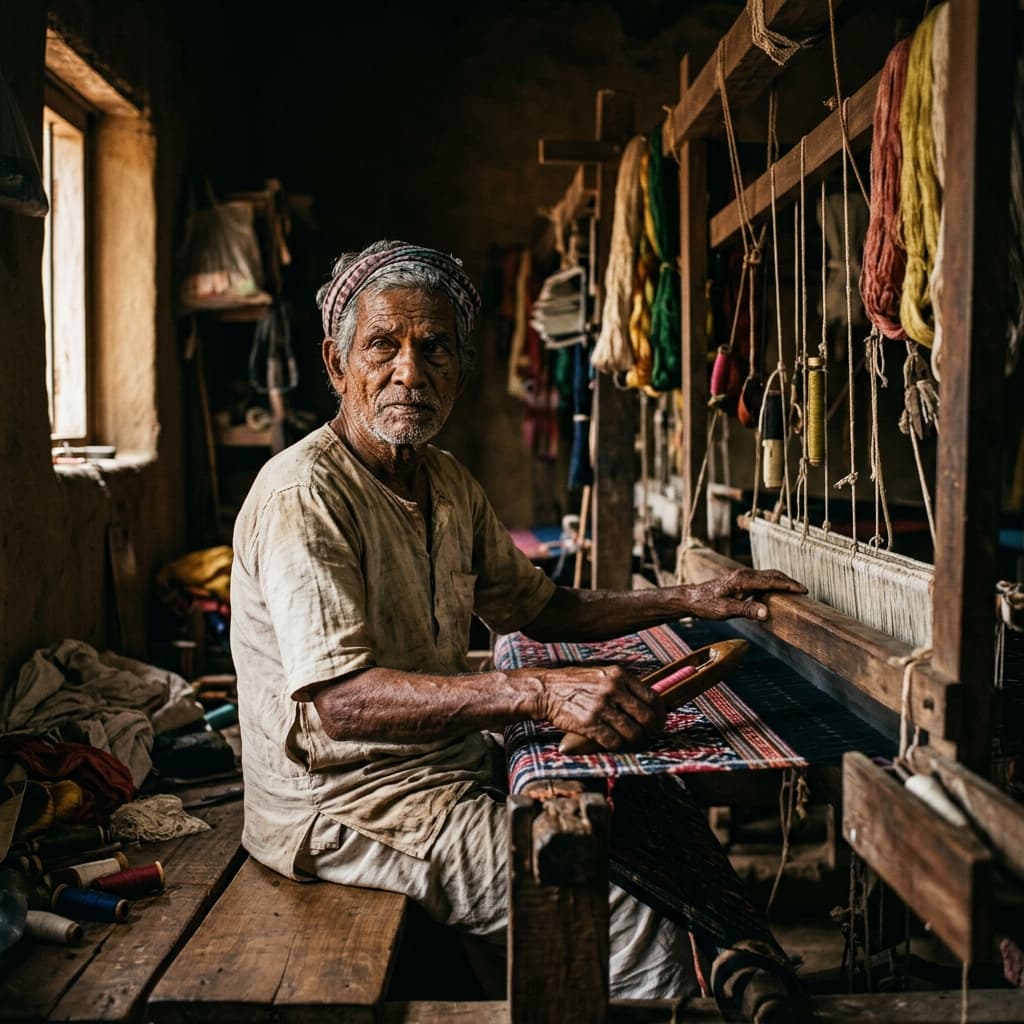
Ikat Tie-Dye Technique
The defining technique of Sambalpuri weaving. Thousands of individual threads are tied with cotton string to resist dye, creating a precise blueprint of the final pattern — the mathematical soul of the Ikat.
Setting the Loom
Preparing the warp and weft threads for the weaving process. The dyed threads are carefully arranged on the pit loom in precise sequence — a single misplaced thread will distort the entire pattern.
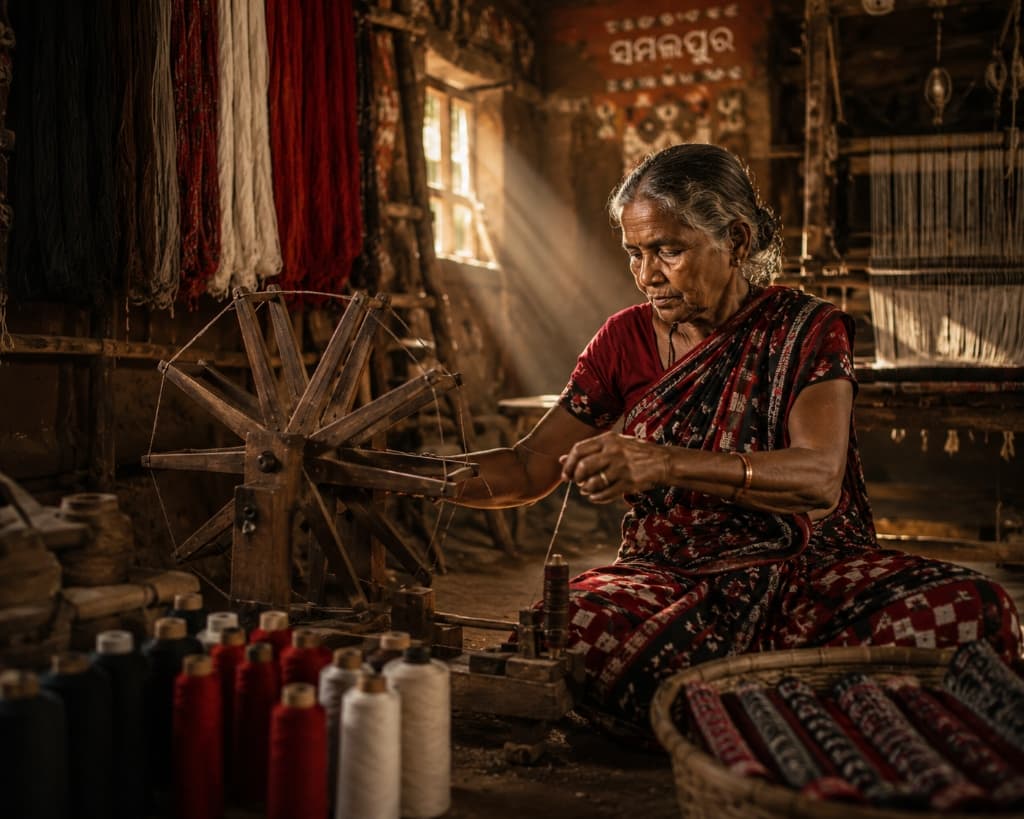
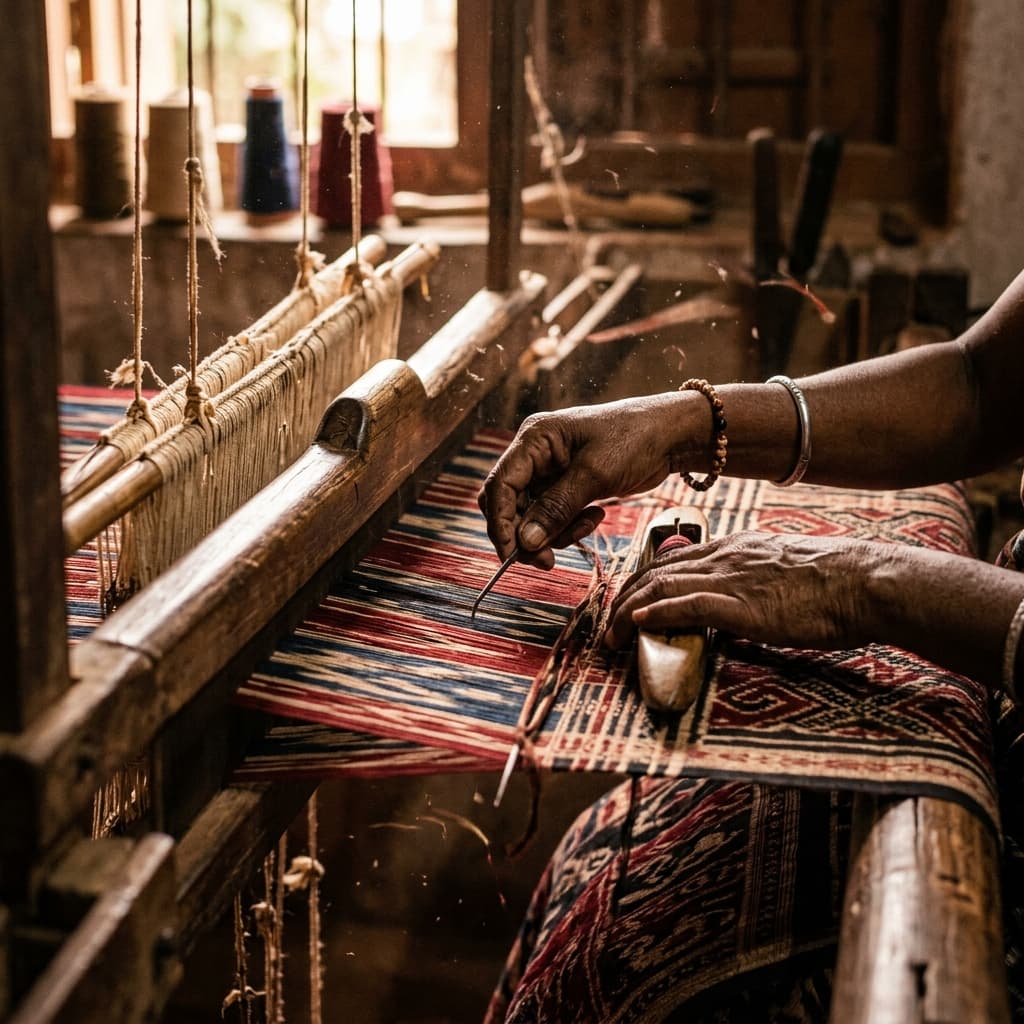
Hand Weaving
Weaving the threads together to create intricate Sambalpuri patterns. Feet working the treadles, hands passing the shuttle — with each pass, the hidden pattern slowly reveals itself over days and weeks.
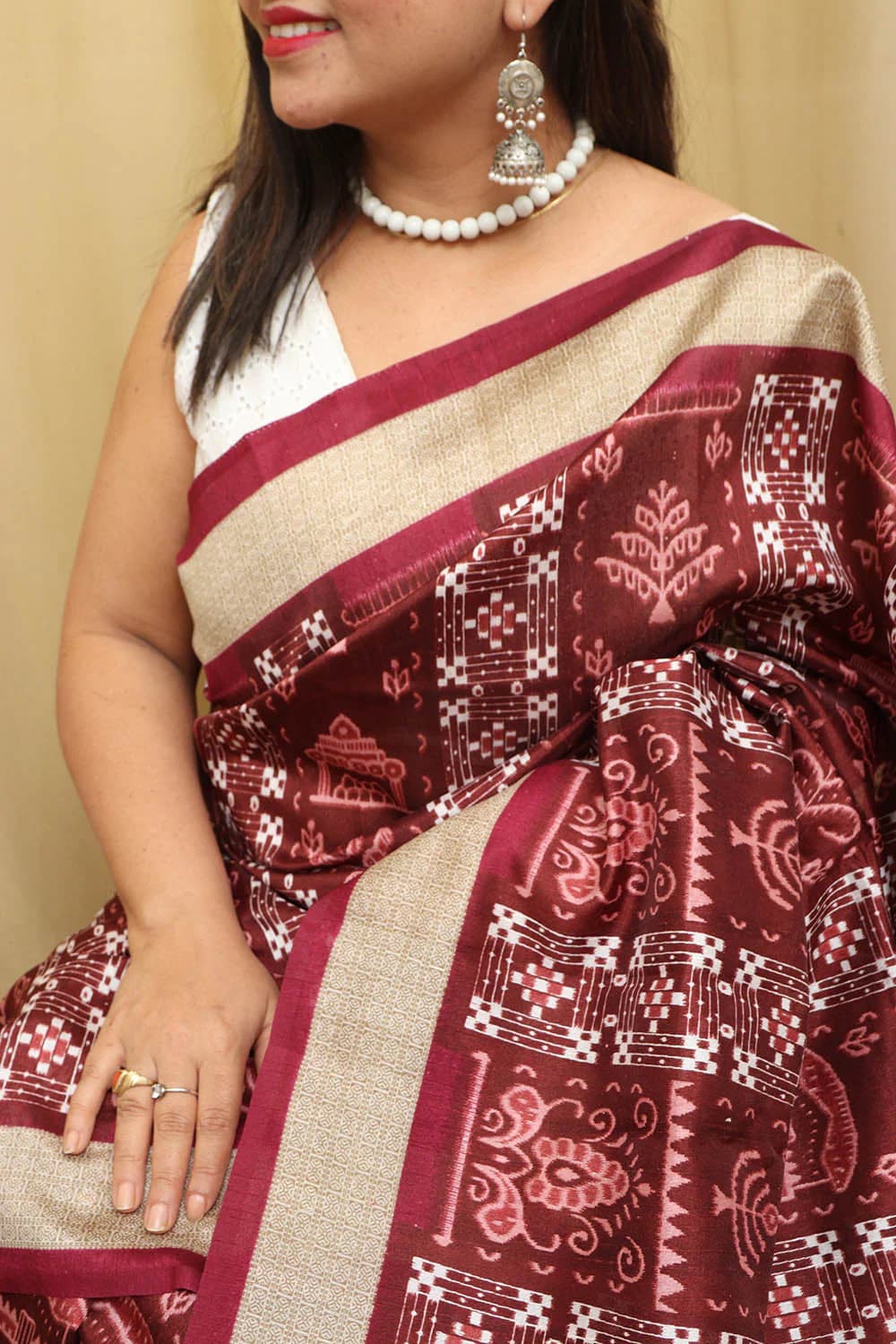
The Masterpiece
A timeless masterpiece, woven with heritage and pride. The completed saree is washed, starched, pressed and inspected. Every inch must earn the authentic Sambalpuri handloom mark.
Every thread is a whisper from my ancestors. When I sit at the loom, I am not just weaving cloth — I am writing the history of my people in silk.
Bhaskar Meher — Master Weaver, BargarhStories in Motion
Short documentaries and craft films celebrating the weavers, festivals, and living traditions of Sambalpur.
The Bandha Technique — Tie-Dyeing Explained
A close look at how master weavers tie thousands of threads by hand to create the Ikat pattern before a single thread touches the loom.
Coming Soon
Nuakhai — The Festival That Wears Silk
How Odisha's most beloved harvest festival and the Sambalpuri saree tradition are woven together across generations.
Coming Soon
Inside a Weaver's Home — Bargarh, Odisha
A documentary portrait of a weaving family in Bargarh — three generations, one pit loom, and a living heritage.
Coming Soon
Every Saree Tells a Story
When you wear a Sambalpuri saree, you carry centuries of culture, devotion, and craftsmanship. Explore our collection and find your piece of living heritage.
Explore Collection